
Questions To Ask During A Care Home Visit

If you’re looking for a care home for yourself or a loved one, it’s easy to feel overwhelmed by the vast number of options available. Choosing the right home is a very personal decision, and it is important to find somewhere that feels welcoming and suited to your individual needs.
Once you have narrowed down your options and found some care homes that appeal to you, the next step is to visit them in-person. Care home visits are the best way to get a true sense of what life at a particular home is like, and whether you or your loved one will feel comfortable and happy living there.
A visit gives you the chance to look around the home, meet the team and ask questions that will help you understand what daily life is like for residents. To help you make the most out of your visit and find out everything you need to know, we’ve put together a handy list of questions to ask and things to look out for.
Questions to Ask During A Care Home Visit
Practicalities & Safety
What is included in the weekly cost?
It is important that care home costs are laid out clearly, including how payment is taken and what is included within the weekly fee. Any extra costs should be explained upfront, so you can make an informed decision without worrying about unexpected charges later on.
All-inclusive care homes are ones that include no surprise costs, as all facilities and care are included in the price, such as activities and outings. Sometimes extras such as chiropody and requested treatments may come at an extra cost, but only when asked for.
What Safety Measures Are In Place?
Safety is particularly important for people living with dementia. During your visit, ask about the safety measures in place, such as locked door policies, emergency call systems and assistive technology such as alarms, trackers or sensors.
It is also important to understand how the home balances safety with residents’ autonomy. A good care home should encourage residents to stay independent while making sure support is available when it is needed.

Care Home Staff and Quality of Care
What Types of Care are Available? What Happens if My/My Loved Ones Needs Change?
This might seem obvious, but it is vital to clarify the different types of care a home offers so that your loved ones’ needs will be entirely catered for.
Some care homes offer a continuum of care, which means residents can continue living in the same familiar environment even if they require different levels of support in the future. Knowing that care can adapt as needs change can provide reassurance for both residents and their families.
What Training and Qualifications Does the Team Have?
Especially with higher-needs care such as dementia or nursing care, training should be up to date and comprehensive to ensure the best care.
You could also ask about staff retention, as this can give a good idea of how the home is run and the culture within the team. A consistent team can help residents build familiar relationships and feel more at ease.
How Does The Home Support Residents’ Personal Care?
Personal care should always be provided with respect, dignity and kindness. Ask how the home supports residents with personal care, including the frequency and process taken. It is important that residents feel comfortable and respected when receiving support with everyday routines.
What is The Resident to Staff Ratio?
Asking about the resident to staff ratio can help you understand how the team is organised and how much time staff have to spend with residents. It can also give you an idea of how the home plans support throughout the day.
Are Personalised Care Plans Made and How Often Are They Reviewed?
Every resident is unique, with their own preferences, routines and needs. Personalised care plans help ensure that care is tailored around the individual rather than taking a one-size-fits-all approach.
Ask how residents and their families are involved in these conversations, and how often care plans are reviewed; this should be at least annually, but many homes do this every six months or as they notice changes.
How are Residents Encouraged to Maintain Independence?
Care staff should only intervene if asked or needed, in order to promote dignity and respect. In fact, the reassurance of staff being on hand 24/7 often gives residents the confidence to maintain skills and autonomy.
Everyday Life in a Care Home
What is Included in Each Bedroom? Can Residents Personalise Their Space?
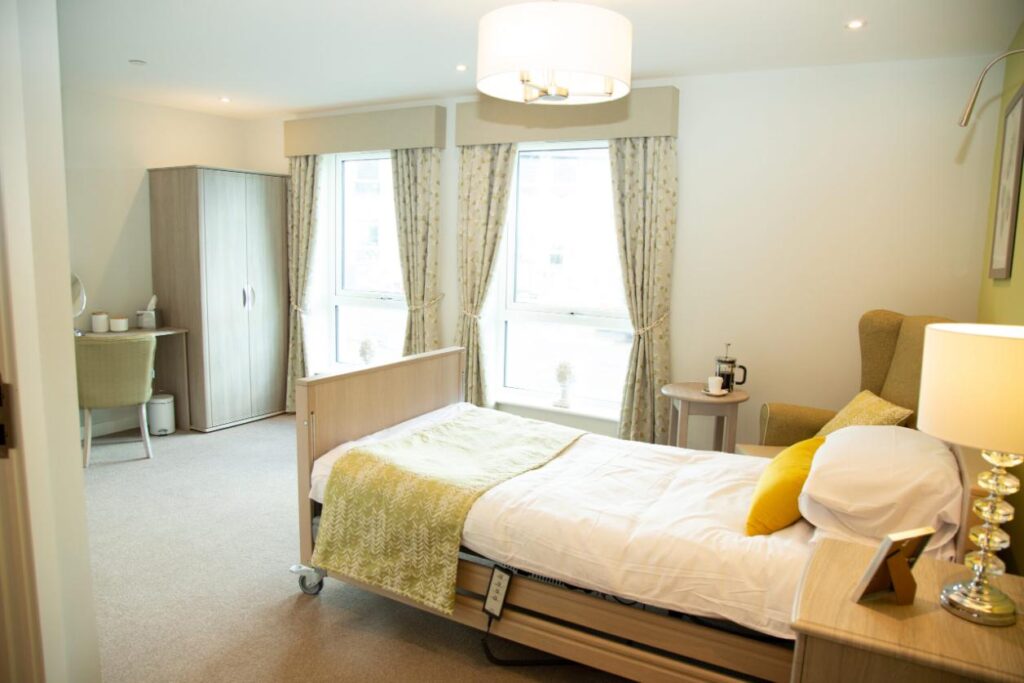
A resident’s bedroom should feel comfortable and personal, as it becomes their own space within the home. Rooms may include things like televisions, landline phones, nurse-call systems for emergencies and storage space.
Some homes will allow you to bring in personal items such as furniture, as well as smaller decorations and photos. This can make a room feel truly like home and help a resident settle in.
What Are the Visiting Hours?
Some care homes have no set visiting hours or restrictions, making it easy for you to visit your loved one as regularly as you would like. It is important to nurture these close family connections for residents’ mental health and wellbeing.
You can also ask if the home is happy for you to take your loved one out of the home for the day, or if you can join in with activities or mealtimes.
Can Residents Choose Their Own Routine?
Having choice and control over everyday routines is important for residents’ autonomy, mental health and maintaining individuality. Ask how much choice residents have over things such as when they get up and go to bed, where they eat their meals, how they spend their time and what they wear.
What Activities Are On Offer?
Activities are an important part of life in a care home, helping residents enjoy their interests, meet other people and maintain connections with the wider community.
Ask how the activity schedule is planned and whether there is a mix of hobbies and types of activities, including both group and individual options. You may also want to ask if there are dedicated activities coordinators and whether all activities are inclusive, adaptable and suitable for different interests and abilities.
Are Meals Cooked In-House and Can Meals Be Altered?
Ask whether meals are cooked in-house and if they can be altered to suit individual preferences and dietary requirements. This could include vegan or vegetarian choices, religious requirements or medical needs such as difficulty chewing or swallowing. It is also worth asking how residents’ likes and dislikes are taken into account when planning meals.

Things to Look Out For During A Care Home Visit
While asking questions is important, it is also helpful to pay attention to how the home feels during your visit. First impressions are important, but choosing a care home is a very personal decision, so your gut feeling should not be ignored.
An Accessible, Safe Care Home Environment
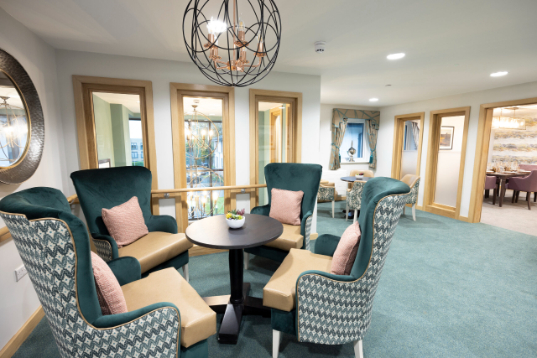
A care home should be easy for residents to move around. Look out for wide, tidy spaces and corridors, handrails in important places and flat paths in a secure, private garden. A safe environment should help residents move around confidently while still allowing them to enjoy their independence.
Clean, Organised and Well-Maintained
A clean and well-maintained home can make a big difference to residents’ comfort. Look for clean and tidy spaces, a well-kept garden and a home that feels organised.
Take into account the smell and temperature of the home too, as these small details can tell you a lot about the environment residents live in every day.
Do Residents Look Happy and Comfortable?
Take time to observe how residents and staff interact with each other. Staff should treat residents with dignity, patience and respect, and residents should feel comfortable in their surroundings.
If possible, talk to some residents and visiting family members to get an unbiased, true opinion of the home from people with direct experience.
Are Staff Approachable and Friendly?
The team should be happy to answer your questions and help you feel reassured during your visit. You should feel welcome and uplifted by the home’s atmosphere.
What Makes A Good Care Home?
A good care home should encourage autonomy and independence, helping residents continue making their own choices and enjoying the things that matter to them. It should offer an engaging and varied lifestyle, with opportunities for residents to spend their time in ways that suit their interests and preferences.
A resident’s entire wellbeing should be nurtured, including their physical, mental, spiritual, social and emotional health. This is done through every aspect of their life, from the support they receive to the relationships they build and the activities they enjoy.
Most importantly, residents should feel safe and comfortable, giving them confidence to live the life they choose and keep doing what they love.
Our Care Home in Glasgow
Here at Boclair Care Home we offer exceptional nursing, dementia, residential, respite and palliative care to all our residents.
Our all-inclusive home offers a fulfilling lifestyle with a range of activities and facilities. Our skilled and compassionate team is dedicated to encouraging independence and autonomy by caring with respect and dignity.
Please arrange a home tour today to meet our friendly team and ask all of the questions you need to feel confident that Boclair Care Home is the best option for your family.