The Impact of Dementia on Families

A dementia diagnosis can reshape family life in ways that many people do not expect. It affects emotional wellbeing, daily routines, relationships and long-term planning. For families across Bearsden and the wider Glasgow area, understanding the impact of dementia can help them prepare, cope and find the right support at each stage. This refreshed blog explores the emotional landscape, day to day challenges and the value of specialist dementia care for both individuals and their families.
The Emotional Landscape
The emotional impact of dementia is often the first and most difficult change families face. A diagnosis is more than a clinical label. It represents the start of a journey where memories shift, roles evolve, and familiar routines can gradually fade. Many families describe a mixture of grief, sadness and confusion as they adjust to life after diagnosis.
It is natural to grieve for the person as they once were. Dementia can slowly affect memory, independence and even personality, which can leave families feeling like they are losing someone they love in small, subtle ways. Although these feelings are incredibly difficult, they are also very common.
Anxiety is another frequent response. Dementia progresses at different rates for each individual, which can make families feel uncertain about what lies ahead. Loved ones may worry about safety, communication difficulties or how future care needs will be managed. This uncertainty can create a continuous sense of worry, particularly for family members who have taken on the role of caregiver.


Role changes within the family can also bring emotional strain. Many adult children find themselves providing increasing levels of care for a parent, which can feel overwhelming. Balancing work, personal life and caregiving responsibilities can lead to guilt, frustration and moments of resentment, even when everyone is trying their best.
Social isolation is another significant issue. Individuals with dementia may naturally withdraw from social interactions, but families can also feel isolated as they prioritise caring responsibilities and reduce time spent with friends or hobbies. Without support, this can leave caregivers feeling alone and emotionally drained.
Navigating Daily Challenges
Alongside the emotional impact, dementia creates practical challenges that can disrupt everyday life. As the condition progresses, many people require support with essential daily tasks such as bathing, dressing, eating and personal hygiene. Providing this level of care at home can be demanding, especially for families juggling work commitments or childcare.
Behavioural changes can make daily life even more challenging. Dementia can cause confusion, agitation, mood changes or wandering, particularly in the late afternoon or evening. These behaviours can be distressing for both the individual and their family members. Managing them safely at home requires patience, structure and often professional guidance.
Medical needs also become more complex. Many people living with dementia have other health conditions, which means families must manage multiple medications, coordinate appointments and communicate with various healthcare services. This can feel overwhelming, especially if families are unfamiliar with the healthcare system or unsure where to seek advice.


Financial pressures may also arise. Costs such as home adaptations, specialist equipment, professional carers or future residential care can add up quickly. Understanding available funding routes, including local authority support and care assessments, can help families plan ahead and ease some of the financial stress.
It is important to recognise the impact dementia can have on employment and family life. Caregivers often reduce working hours or take time off to manage responsibilities at home. This can lead to exhaustion, burnout and increased stress. Taking breaks, seeking professional guidance and accessing respite support can make a significant difference to long-term wellbeing.
The Transformative Power of Specialist Dementia Care
Although dementia creates challenges, families do not have to navigate the journey alone. Specialist dementia care can provide safety, structure and meaningful support for individuals while offering families reassurance and guidance.
At Boclair Care Home in Bearsden, dementia care is shaped by compassion, understanding and an individualised approach. Each resident is seen as a whole person with their own story, preferences and abilities.
Expert understanding of dementia
Staff receive extensive training to understand how dementia affects behaviour, communication and daily life. This knowledge allows the team to provide support that feels calm, patient and tailored to the individual.
Safe and secure environments
The home is designed with dementia friendly features that reduce confusion and promote independence. Clear signage, comfortable communal spaces and secure outdoor areas create a setting where residents feel safe and free to explore.
Personalised, person-centred care plans
Every resident receives a care plan that reflects their background, interests and needs. Recognising what matters to each person helps maintain identity, connection and purpose.
Meaningful activities and therapies
Boclair Care Home offers a wide variety of enriching activities, including reminiscence sessions, music therapy, arts and crafts, gentle exercise and trips into Bearsden and Glasgow. These activities help support cognitive function, reduce anxiety and encourage social connection.
Support for families
Dementia is a journey that affects everyone, not just the individual. Families are offered guidance, reassurance and emotional support to help them feel confident and informed about the care their loved one receives.
Respite care options
Respite breaks provide families with much needed rest while ensuring their loved one receives professional support in a safe and welcoming environment.

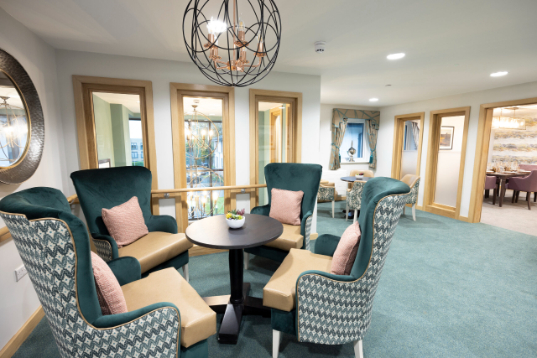
Luxury Dementia Care in the Heart of Bearsden
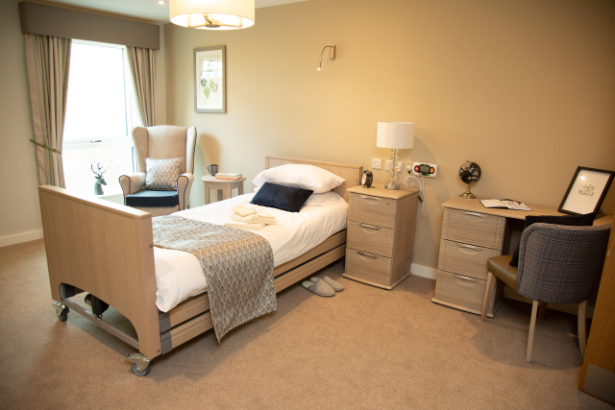
Boclair Care Home combines professional dementia care with comfort, elegance and a warm community feel. Residents benefit from private en suite bedrooms, exceptional dining experiences, beautifully designed lounges, a peaceful cafe and vibrant social spaces. The activities team also coordinates regular outings to local attractions such as the Botanic Gardens and Kelvingrove Art Gallery and Museum, giving residents opportunities to stay active and engaged.
Choosing dementia care is an important decision for any family. At Boclair Care Home, the focus is on dignity, reassurance and a sense of belonging, helping families feel supported at every stage.
If you are looking for dementia care in Bearsden, Glasgow or nearby areas, get in touch to arrange a visit and learn more about the specialist services available.
This blog post was updated on Wednesday 19th November 2025.