
Moving Into a Care Home: How to Make a Smooth Transition
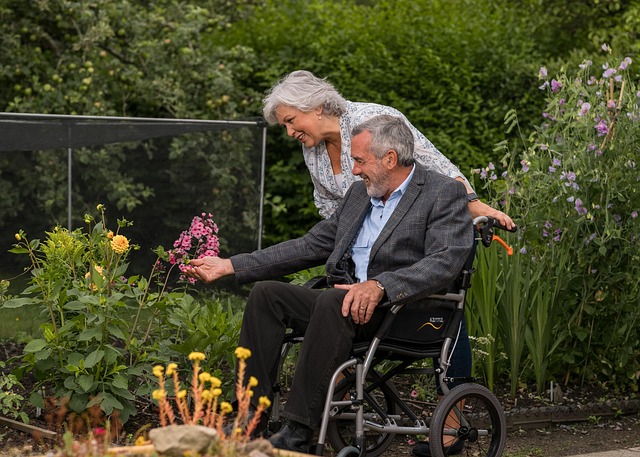
Moving into a care home can be a daunting transition for both the person receiving care and their loved ones, but there are many ways to make it easier. From working out what to expect to making the necessary preparations before moving in, just a few simple steps can help reduce stress during this big life change.
What To Expect Living in a Care Home
Round-The-Clock Support
Person-centred care ensures that expert care staff take the time to get to know each resident, creating bespoke care plans that are carefully tailored to their specific needs, preferences and values. Familiar routines are maintained wherever possible to help reduce anxiety.
This round-the-clock support offers valuable peace of mind for both residents and their families, allowing everyone to focus less on worry and more on enjoying meaningful moments together.
Activities and Entertainment
In a care home, residents are supported to live fulfilling and enriched lives through a varied programme of activities and entertainment, helping to bring enjoyment, structure and a sense of purpose to each day. Activities can be carefully tailored to the interests and abilities of all residents, ensuring that everyone feels included and valued.
A varied programme of activities can support cognitive stimulation, encourage physical exercise, and help to maintain hand-eye coordination and fine motor skills. Just as importantly, it can play a key role in boosting emotional health, helping residents to feel happy, engaged and connected in their daily lives.
A Supportive Community
Social interaction is encouraged throughout care home life; in cosy communal areas, during activities and at mealtimes. This helps create a warm and welcoming environment where residents can naturally connect with others. This sense of connection is essential in helping to combat loneliness and isolation, and is one of the many benefits of living in a care home setting.
Choose Your Lifestyle
Residents can choose what to do with their day, from how they spend their time to the routines they follow. They are able to select from a menu of meals, decide where they would like to eat and choose which activities they would like to get involved in.
Depending on the care home, there may also be access to a range of luxury amenities, such as a hair salon, cinema room or sensory spaces. These additional features help to enhance daily life, offering comfort, enjoyment and variety, so that each day can feel different, engaging and full of new experiences.
Preparing to Move Into A Care Home
If your loved one is moving into a care home soon, here are some things you can do to put them and yourself at ease.


Choosing a Care Home
It can be incredibly helpful to visit a care home with your loved one before the move, so they can begin to picture themselves living there and become familiar with their new surroundings. Taking the time to explore the environment together can help to ease uncertainty and make the transition feel less overwhelming.
It’s important to keep your loved one involved in the decision-making process, so they can choose what matters most to them and feel confident in where they will be living. For example, if they enjoy gardening and spending lots of time outdoors, choosing a home with a secure, private garden may be especially appealing. By involving them in these choices, you help to ensure they feel heard and respected, rather than feeling as though decisions are being made for them. This can make a significant difference in helping them feel at ease and reassured about the move.
Maintaining this sense of involvement also helps to reinforce that your loved one is not losing their autonomy, but instead continuing to have a say in their care and lifestyle. Feeling in control, even in small ways, can greatly support emotional wellbeing during a time of change.
Talk to Staff
Once your loved ones has moved in, it’s important to remind them that it’s completely natural to need time to settle in. Keeping ongoing communication between you, your loved one living in a care home and the care home’s staff is vital for everyone’s wellbeing. Open and honest conversations help to build trust, ensure that everyone feels informed and make it easier to address any questions or concerns as they arise.
Personalised Care Plans
Before moving in, care staff will work closely with you and your loved one to create a personalised care plan. This plan will include important details such as the resident’s likes, dislikes, preferences, interests and values, helping staff to provide care that truly reflects who they are as a person. It can cover everything from small but meaningful details, such as favourite music or daily routines, to more significant decisions around preferred treatments and the way care is delivered.
It’s a good idea to spend some time beforehand thinking about what you would like to be included in the care plan, so that nothing important is overlooked during those initial discussions. This preparation can help you feel more confident that your loved one’s needs and wishes are clearly understood from the very beginning.
However, it’s also important to remember that a care plan is not fixed and is regularly reviewed and updated as needs, preferences and circumstances change.
Settling in
Bringing familiar belongings from home is a simple but powerful way to help personalise a bedroom and create a comforting, homely environment. Surrounding your loved one with items that are meaningful to them can make their new space feel much more familiar and reassuring from the very beginning.
These items might include photographs of loved ones, treasured pieces of furniture or soft furnishings that reflect their personal taste and style. Adding these finishing touches can help the room feel less like a new or unfamiliar place and more like an extension of home. You could also bring along favourite music, well-loved clothing and even their own bedsheets, all of which can provide additional comfort and a sense of continuity.
It may also be helpful to label personal items such as clothing, to reduce the risk of anything being accidentally misplaced or mixed up during laundry. Taking these small, practical steps can help ensure that your loved one’s belongings are well cared for, while also giving you added peace of mind during the transition.
Keep Visits Regular
Visiting or calling your loved one regularly can help to put their mind at rest, reassuring them that they will still see their friends and family often and that these important relationships will continue. Familiar faces and regular contact can make a significant difference during the transition, helping them to feel supported, valued and connected.
These visits also provide a valuable opportunity for your loved one to talk openly about any anxieties or concerns they may be experiencing. Simply having someone they trust to listen can be incredibly comforting. At the same time, it gives you the chance to speak with care staff about how your loved one is settling in, raise any questions, or address any concerns you may have. This open communication can help to put your own mind at ease, knowing they are being well cared for.
Many care homes offer flexible visiting arrangements, and some may not have set visiting hours at all, allowing family and friends to visit at times that suit them. This welcoming and open approach helps residents to feel connected to their loved ones, reassured that their support network remains close by, and confident that they are not facing this transition alone.
The Reality of Putting Someone into a Care Home
Broaching the conversation of care with a loved one can be incredibly difficult, but it is essential to keep them involved in the discussion at all times so they feel respected, heard and included in decisions about their future. If your loved one has concerns or hesitations, make sure to take the time to truly listen and understand their feelings, and gently explain how living in a care home could benefit them in ways that matter most to them. Reassure them that moving into a care home does not mean losing their independence, but rather gaining the right level of support to maintain it.

Supporting Emotional Health
There are many emotions that can come with placing a loved one into a care home, and it’s completely normal for both you and your loved one to need time to adjust to this change. Feelings such as guilt, sadness, loneliness and even relief are all valid and commonly experienced during this transition. It’s important to remember that you are not alone in feeling this way, and that care home staff are typically well-trained and experienced in supporting both residents and their families through what can be an emotional and sensitive time.
Raising Concerns
It’s also important to remember that if you or your loved one have any concerns or encounter any problems, you should raise these with the care staff sooner rather than later so they can take the appropriate steps to support you effectively. This is one of the reasons why maintaining regular communication with your loved one is so important, as it allows you to check in on how they are feeling and to help them raise any issues they may feel uncomfortable bringing up themselves.
Our Care Home in Glasgow
Here at Boclair Care Home, our expert care staff are here to support you and your family every step of the way. If you have any questions about the moving in process or about our care home in general, please don’t hesitate to get in touch with our friendly team. We’d love to talk to you about how we can help your loved ones with our exceptional care.